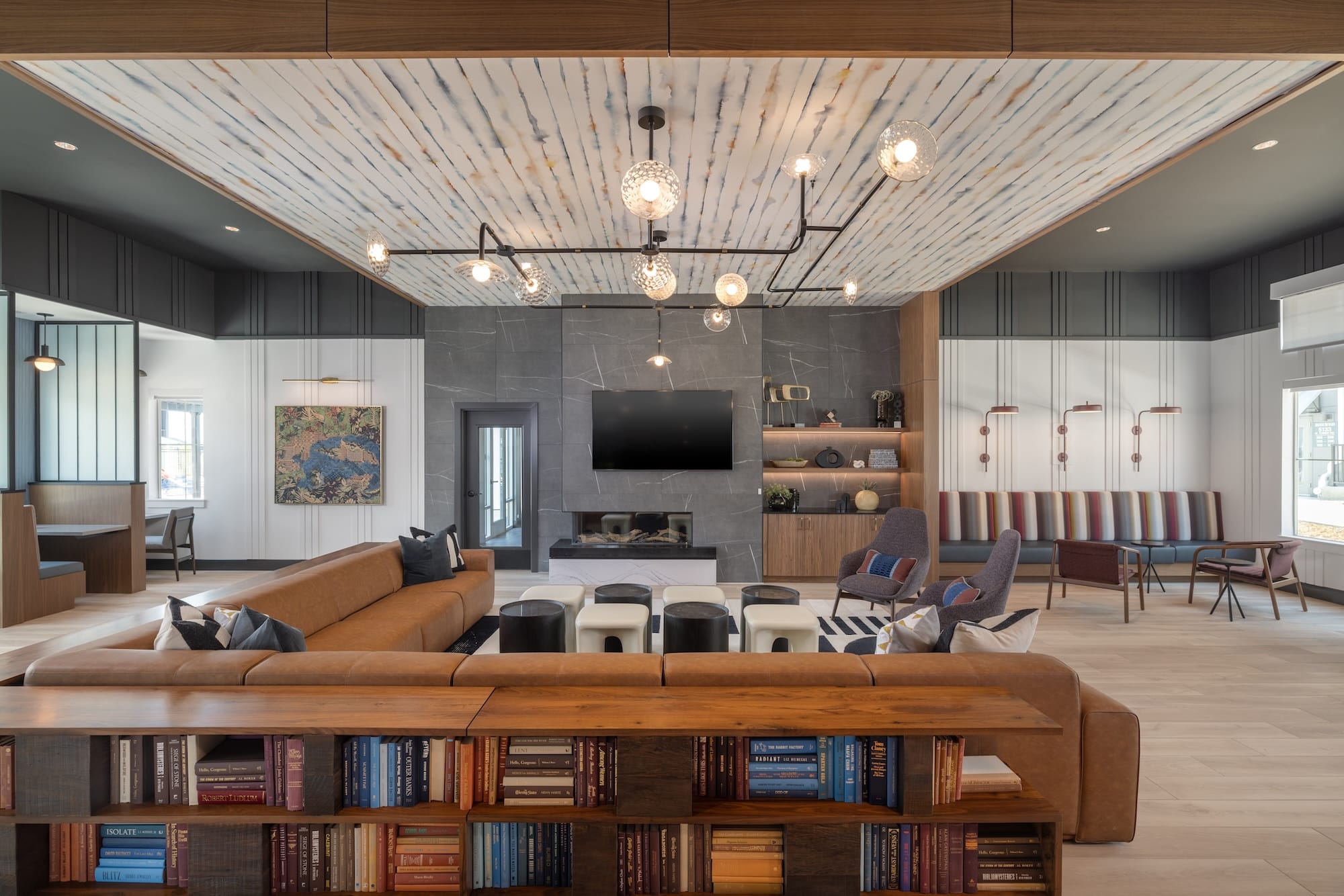
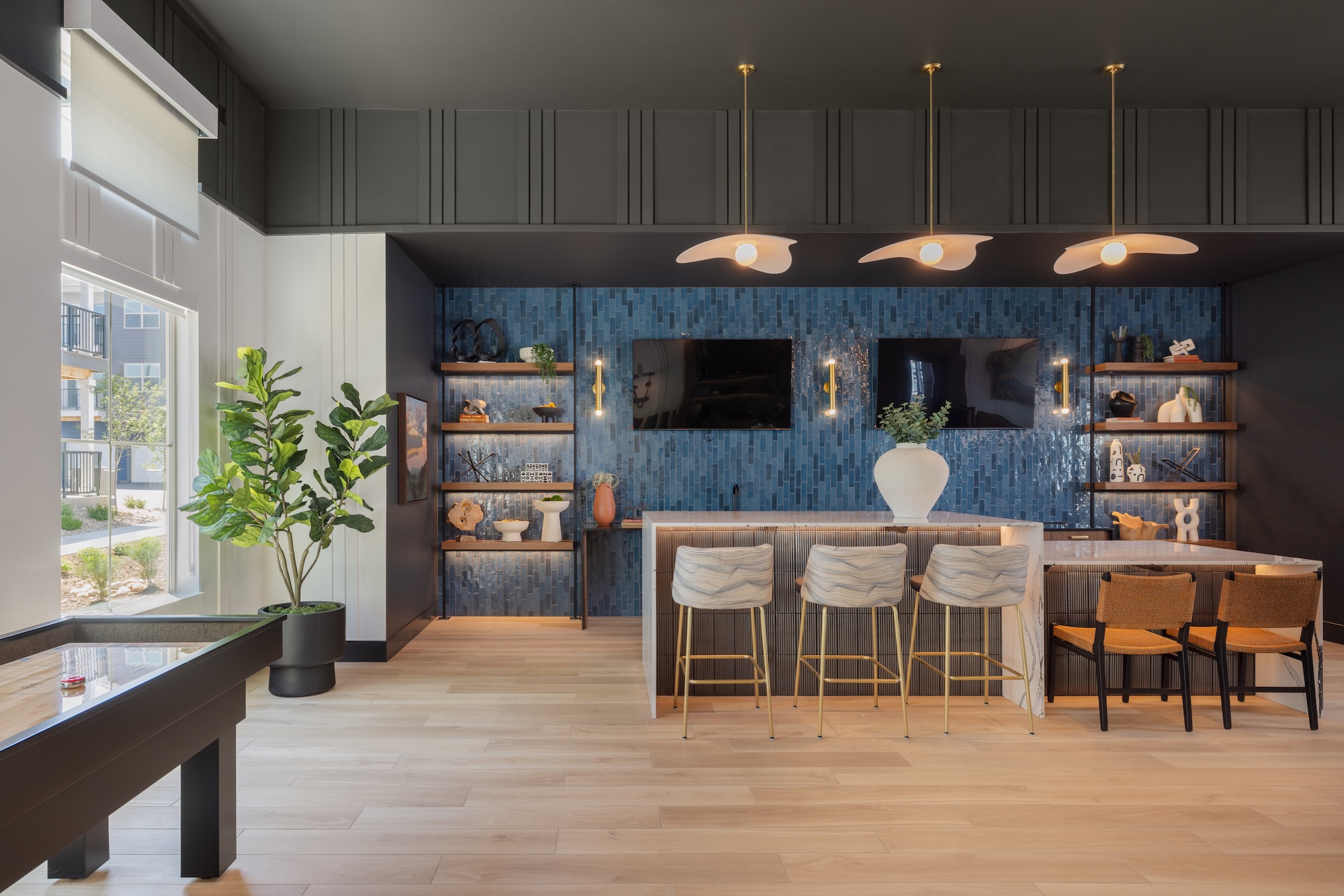
The Narrative of the Refresh
In a capital‑tight, culture‑fast world, The Narrative of the Refresh isn’t a tidy facelift — it’s a strategic move. For multifamily and lifestyle hospitality owners and operators, refreshes are design‑led re-positionings that protect value, speed revenue, and keep a property culturally and commercially relevant. At Studio 10, the belief and approach are simple: each refresh should be treated as a chance to balance financial smarts, technical rigor, and storytelling to extend an asset’s life and its market voice.
Refresh vs. new construction: the practical tradeoff
Choosing between ground‑up development and acquisition + repositioning comes down to control versus speed and risk. New construction gives you complete control—optimized floorplates, fresh systems, and the potential for premium rents—but it asks for bigger CAPEX, longer timelines, and exposure to construction volatility. Repositioning gets you to market faster, with lower land/development risk and the possibility of higher near‑term ROI by directing capital into curated experiences. The catch: surprises in structure or MEP, limits to reconfiguration, and the challenge of grafting new systems onto old bones. The right path depends on timing, appetite for risk, and your market window.
Four decision levers you can’t ignore
These practical choices rest on four interlocking domains:
- Financial: Available CAPEX, financing terms, OPEX implications, pro‑forma yield, and how quickly you need revenue.
- Physical: Structural condition, code/mechanical upgrades, and floorplate adaptability.
- Market fit: Who you’re targeting, what drives demand, and where you sit in the competitive set.
- Operational: Phasing, income disruption, staffing impacts, and the logistics of keeping things running while you build.
Design & construction: marry ambition with reality
Design is only as good as its execution. Make decisions with these drivers in mind:
- Cost vs. lifecycle value: Spending a bit more up front for durability often saves more over time.
- Timeline/readiness: Permitting, sequencing, and FF&E lead times often dictate market‑entry windows.
- Quality vs. speed: Fast fixes that aren’t durable create recurring costs—plan for longevity.
- Sustainability & code: Energy, low‑impact materials, and wellness standards influence both cost and market appeal.
FF&E: the strategic heart of the experience
FF&E isn’t decoration. It’s the tactic that shapes flow, comfort, acoustics, perceived quality, and ultimately revenue. The right pieces influence leasing velocity, guest satisfaction, and ancillary spend. Good FF&E strategy weighs total cost of ownership—purchase, maintenance, repair, replacement—while prioritizing modularity and reparability so assets age with dignity.
Why turnkey FF&E + technical design beats a la carte
A single partner that handles design, procurement, and installation brings real advantages:
- Narrative fidelity: Concept stays intact from drawing to installation.
- Technical integration: Specs that understand MEP, code, and site realities avoid costly field fixes.
- Supply‑chain savvy: Negotiation on shipping, tariffs, and lead times keeps budgets honest and schedules realistic.
- Lifecycle strategy: Mixed‑durability specs—commercial grade where it matters, curated pieces where story matters—stretch capital.
- Single accountability: One team owns the outcome, compressing timelines and lowering coordination risk.
Seven‑year refresh: not a rule, a strategy
The seven‑year refresh used to be an unspoken cadence. Today it’s a planning horizon. Soft goods and finishes show wear around years five to seven; cultural shifts and social media make dated design a competitive liability. Treat the seven‑year moment as a chance to ask: who is our user today? How do they live and work? Targeted, data‑informed interventions—timed and scoped—keep the asset relevant and protect NOI. Also bake in sustainability and tech updates: reuse, reupholstery, low‑impact finishes, modular FF&E, and refreshed digital touchpoints matter as much as finishes.
Priorities that deliver the most impact
If you want the biggest return for your capital, spend where people actually feel it — and tell a compelling story while you’re at it.
- Lobby & arrival/public spaces — Make the first minute memorable: local cafés, wellness pop‑ups, or an arresting arrival that turns passersby into customers and guests into fans.
- Amenity programming — Ditch single‑use rooms. Flexible work/social spaces, recovery‑forward fitness, and bookable zones keep people engaged and boost retention and ancillary revenue.
- 3. Unique offerings — Sell experiences, not just products. Workshops, ticketed dinners, limited‑run retail, or nostalgia‑driven activations aimed at Millennials and Gen Z create buzz and incremental spend.
- Unit kitchens & baths / in‑room experience — Small, smart upgrades (soft goods, bedding, efficient kitchens, bathroom tweaks, in‑room tech) punch above their weight: better perceived value, faster leasing, and stronger ADR.
- Lighting & materiality — Layered lighting and thoughtful finishes transform perception cost‑effectively; it takes strategy, but the payoff is dramatic.
- FF&E focal pieces & durable MEP touchpoints — Invest in commercial‑grade furniture, hardware, and serviceable MEP components. Specify for reparability and sustainability so items age well and don’t become landfill fodder.
Extra credit: Adaptive reuse — infusing sustainability & wellness
Adaptive reuse brings character and placemaking cred—but only when supported by early technical due diligence for MEP, vertical transport, and code. Make sustainability and wellness non‑negotiables: durable, repairable materials; low‑impact finishes; local sourcing; modular FF&E; plus real biophilia, air quality, daylighting, and programming that support mental and community health. Get this right and the refresh becomes a market advantage, not a checkbox.
Execution: budgets, phasing, and partners
Tighter budgets and volatile supply chains demand phased execution, realistic contingencies, and flexible capital plans. Stagger investments to smooth NOI impact and align work with leasing or seasonal windows. When choosing partners, prioritize technical experience, vertical expertise in multifamily and lifestyle hospitality, design‑build capability, procurement chops, and installation competency—qualities that keep the narrative intact through delivery.
Bottom line: the refresh is the ongoing story
The Narrative of the Refresh reframes design as an ongoing conversation, not a one‑time expense. Owners who integrate design, procurement, and installation under a single accountable approach protect asset value, move faster to revenue, and create places that feel alive to today’s experience‑hungry audiences. It’s important for us to marry technical design intelligence with turnkey FF&E delivery so refreshes aren’t just updates—they’re bold restatements of a property’s story and market promise.
Table Of Content