The Power of Early Integration: Aligning Branding and Interiors to Elevate Multifamily and Hospitality Projects
In today’s competitive real estate and hospitality markets, creating standout spaces involves more than just architecture or aesthetics. The key to successful developments is early, seamless integration of branding and interior design. When both teams collaborate from the start, they craft environments that are not only functional but also tell compelling stories that resonate deeply with residents, guests, and investors. This strategic partnership has become a highly effective way to produce memorable, authentic, and profitable projects.
The Strategic Value of Cross-Disciplinary Collaboration
Bringing branding and interior design into conversation early transforms potential disjointed efforts into a cohesive narrative. It enables teams to establish a unified vision that embodies the brand’s core values while enhancing aesthetics and functionality. As Sam Swensson, owner and founder of Food for Thought Collective, explains, “Starting the branding process early helps us embed the brand’s personality into every aspect of the project—from materials and colors to spatial layout—creating an immersive experience that tells a story.”
Similarly, Emily Beach, Vice President of Design Operations at Studio 10, emphasizes this collaboration: “Interior design isn’t just about making a space look good; it should reflect and reinforce the brand’s identity. Working together from day one ensures every element—from finishes to furniture—aligns with the brand’s message and values.”
Practical Steps for Achieving Early Integration
Successful early integration requires strategic planning and clear communication. Here are key steps for developers, designers, and branding teams:
- Begin Early:Involve branding and interior design professionals during the initial planning stages to ensure alignment of vision.
- Collaborate through Workshops:Host joint sessions to identify key themes, visual styles, and core values that will guide both efforts.
- Define Core Values:Articulate the brand’s essence—what it stands for, its personality, and storytelling points—and share these insights openly with all teams.
- Develop Visual Correlation:Create mood boards and visual references that reflect both the brand identity and the interior’s stylistic direction, ensuring consistency.
- Establish Feedback Loops:Schedule regular check-ins to monitor progress and allow teams to refine designs collaboratively.
- Plan for Flexibility:Incorporate adaptable design elements that support future rebranding or repositioning, safeguarding long-term viability.
Case Studies: Real-World Successes
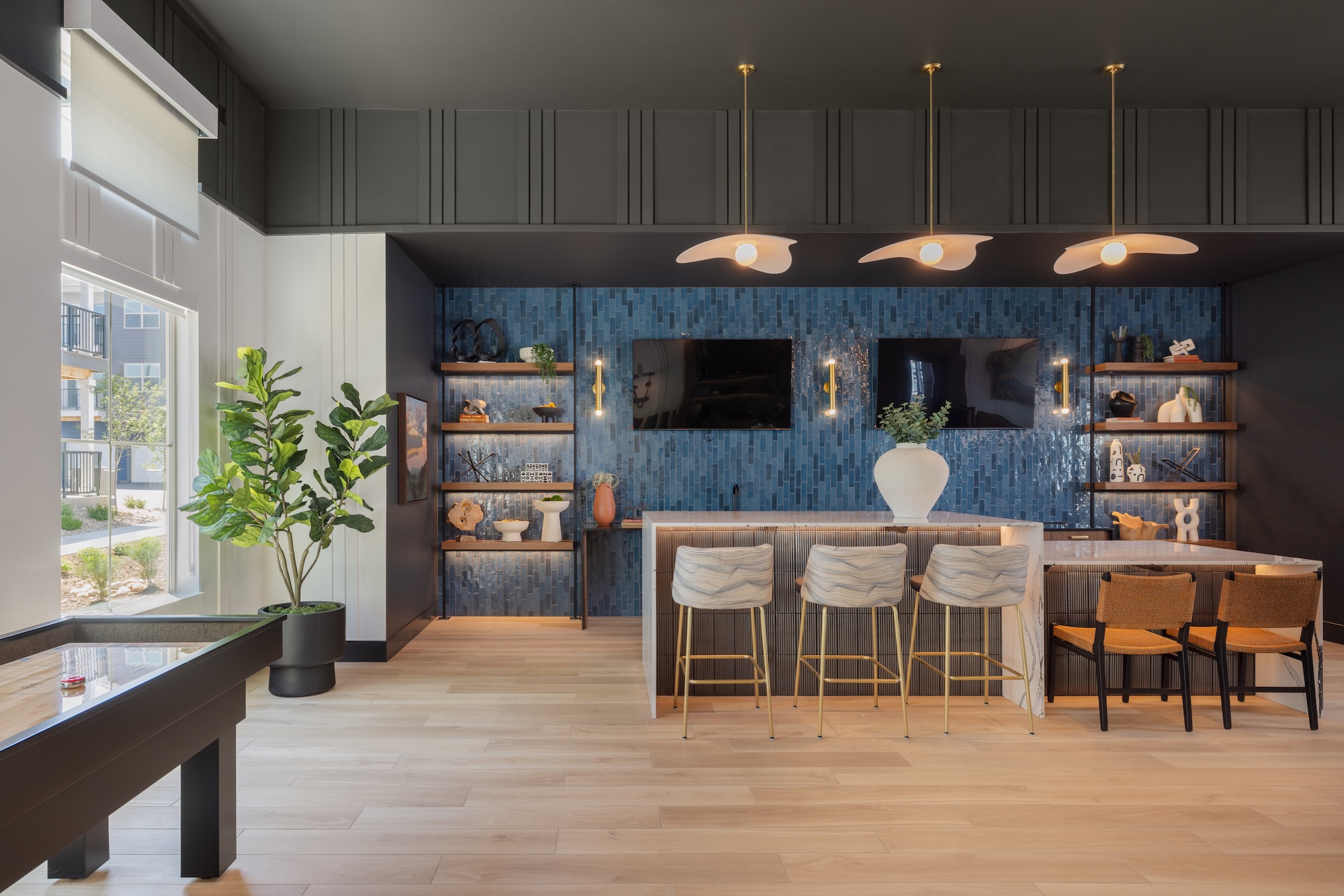
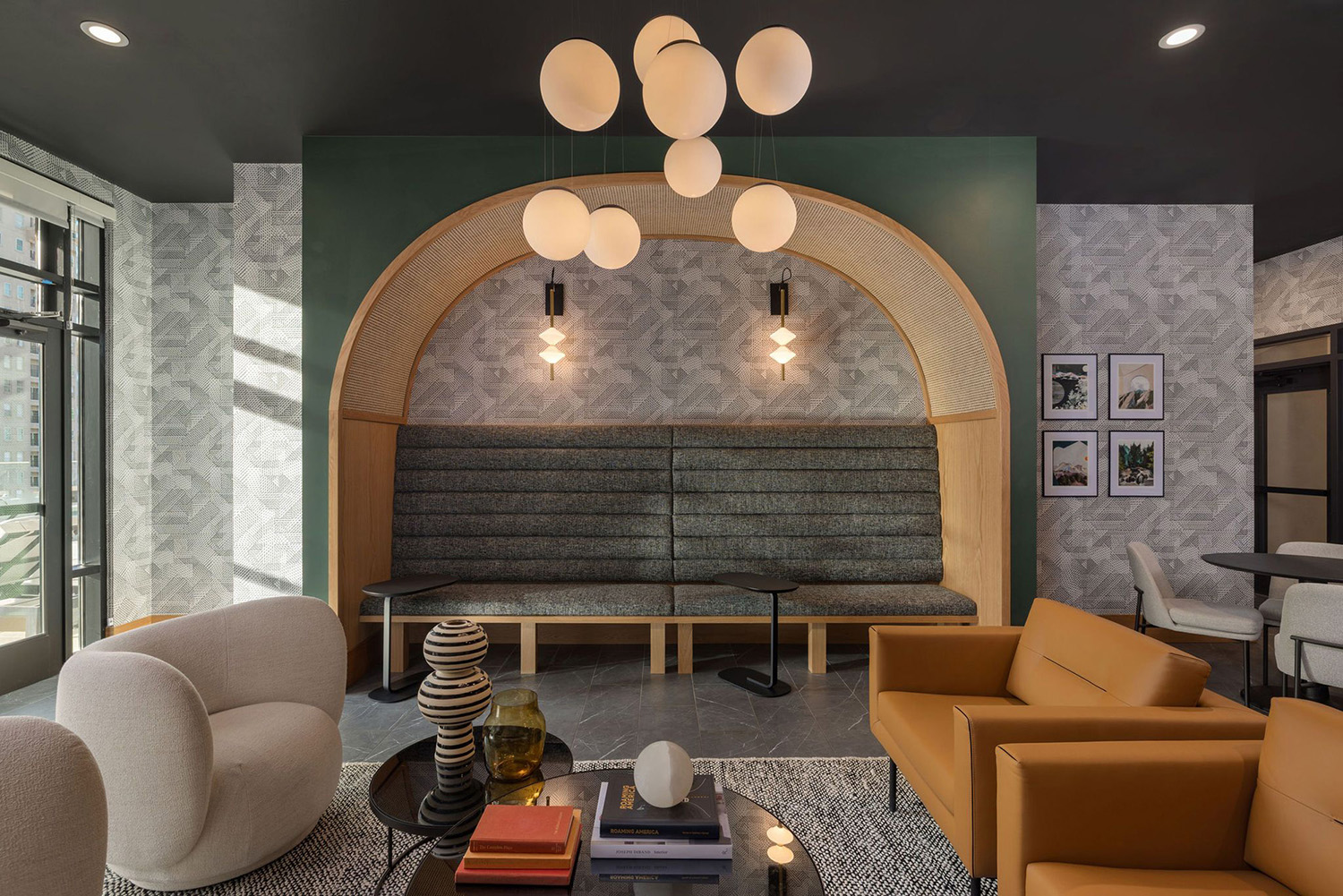
The benefits of early integration are best demonstrated through real examples. One such project is Rosewind, a luxury multifamily development in Denver. From the start, the branding team and interior designers worked collaboratively to ensure the project reflected a carefully crafted brand narrative. The core values—modern elegance, warmth, and sophisticated comfort—guided material choices, color palettes, and amenity design.
This cohesive strategy resulted in an environment that visually communicated the brand’s story and resonated with prospective residents. As Emily Beach states, “The integrated approach helped us craft a seamless experience. It’s authentic, elevates the community’s identity, and truly stands out in the marketplace.”
The design at Rosewind incorporates the Refined Farmhouse aesthetic—drawing inspiration from classic textures and contemporary elements. Exterior architecture echoes this style, with linear trim and peaked rooflines reflected throughout the interior spaces, creating visual harmony. Warm finishes, textured surfaces, and bold patterns evoke an inviting yet sophisticated atmosphere appealing to the active demographic of young professionals and families seeking a balance of city energy and suburban comfort.
The Brand Strategy: Building a Cohesive Identity
A strong brand strategy is the foundation of this integrated approach. For Food for Thought Collective’s work on Rosewind, the process was divided into four phases:
Phase 1: Strategic Positioning and Brand Voice
FFTC began by defining Rosewind’s emotional and strategic core. Research revealed a renter in transition—drawn to urban energy but seeking comfort and connection in a more settled environment. The brand narrative centers on urban ease grounded in suburban serenity—a space where slowing down is about finding more, not giving up. The three brand pillars are:
- The New Nostalgia:capturing familiar rhythms and creating new memories
- Comfort’s Elation:the uplifting simplicity of accessible living
- Beyond Belonging:fostering a community rooted in acceptance and shared experiences
Phase 2: Product Naming
Building on this foundation, FFTC explored names symbolizing movement, renewal, and rediscovery of home amid change. Rosewind was chosen, inspired by the wind rose—a navigational symbol representing direction, adaptability, and realignment—embodying residents’ journey to find their bearings amid life’s shifting winds.
Phase 3: Visuals and Thematics
A concise visual study translated the brand’s tone into a photographic language, featuring a natural, airy, and sophisticated palette. This set the stage for final design, ensuring aesthetic consistency aligned with the brand’s personality.
Phase 4: Final Brand Identity
The completed brand identity embodies warmth, movement, and calm through messaging like “Urban Ease. Suburban Solace.” and “With Room to Grow Roots.” It aims to evoke a sense of slowing down, settling in, and beginning anew at Green Valley Ranch.
Design Concepts Fully Reflecting the Brand
The design concepts for Rosewind focus on an urban, clean, refined, and warm aesthetic. The Refined Farmhouse concept connects architecture with interior design by mimicking linear trim and peaked rooflines throughout the space. Combining contemporary and classic textures creates a comfortable, timeless feel. As the design team from Studio 10 shares, “Our goal is to balance modern refinement with a warm, inviting atmosphere. We layer textures and finishes to evoke a sense of ‘classic and comfortable,’ while maintaining a clean, sophisticated look.”
The interior design incorporates warm finishes, rich colors, and cohesive details—aiming to be both authentic and vibrant. Elements like wood, textured fabrics, and elegant touches are combined with bold patterns to create a space that is visually striking yet serene. The targeted demographic—young families and professionals in their early 30s and above—will find this environment authentic, connected, and vibrant. The community aims to embody a lifestyle that is refined yet approachable, capturing Denver’s spirit while fostering a sense of belonging and home.
The Future of Integrated Design and Branding
As technological advances and lifestyle trends continue to reshape consumer expectations, the importance of integrated branding and interior design will only grow. Digital tools like augmented reality, virtual walkthroughs, and experiential branding will blur the lines between physical and digital environments, creating immersive experiences that can be enhanced through early collaboration.
“Today’s most successful developments anticipate future trends,” states Studio 10. “Early integration of branding and interior design offers the flexibility needed to stay relevant, adaptable, and engaging over time.”
Additionally, sustainability and health-conscious design practices are now central to brand positioning. Addressing these aspects early ensures spaces reflect the brand’s commitment to well-being, making properties more attractive to tenants and guests—especially in a post-pandemic world that prioritizes health and self-care.
Conclusion
The early, strategic alignment of branding and interior design is no longer a luxury—it’s essential. When integrated from the outset, it creates a cohesive narrative that elevates the entire project, from conception to long-term management. This approach differentiates developments, fosters genuine emotional connections, and maximizes return on investment. As Emily Beach aptly states, “Design and branding are two sides of the same coin. When united early in the process, they create environments that are authentic, engaging, and enduring.”
By embracing this integrated approach, developers and designers can unlock their projects’ full potential—creating spaces that are not only beautiful but also meaningful and future-ready.
Table Of Content